Overview
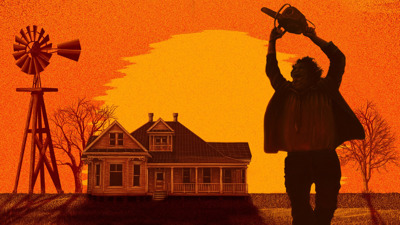
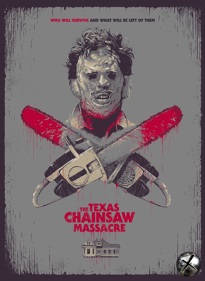
The Texas Chain Saw Massacre (1974), directed by Tobe Hooper, is a groundbreaking American horror film that fundamentally reshaped the slasher genre. Shot on a shoestring budget with a cast of relatively unknown actors, the movie presents itself as a dramatization of true events, though it is only loosely inspired by the crimes of real-life murderer Ed Gein. Upon its release, its gritty, documentary-style cinematography and intense atmosphere shocked audiences and critics alike, leading to it being banned in several countries while simultaneously becoming a massive box-office success.
The plot follows five young friends—Sally Hardesty, her paraplegic brother Franklin, and their companions Jerry, Kirk, and Pam—who are road-tripping through rural Texas to visit a vandalized family gravesite. After picking up and quickly ejecting a deeply disturbing hitchhiker, the group runs low on fuel and stops near an abandoned homestead. One by one, they wander into a neighboring house looking for gasoline, only to be ambushed by a cannibalistic family of outcasts, led by the towering, human-skin-mask-wearing killer known as Leatherface.
The final act deconstructs into pure survival horror, focusing on Sally as the sole survivor of the initial onslaught. She is captured and subjected to a psychological nightmare during a grotesque family dinner scene before managing a desperate, blood-soaked escape. Celebrated for its masterful use of suggestion—relying heavily on dread, piercing sound design, and frantic editing rather than excessive on-screen gore—the film remains a towering masterpiece of cinema that pioneered staples like the "final girl" trope and the use of power tools as weapons.
Ivan TBA's pinball tribute to the film was released for Visual Pinball X in 2020, and is a re-theme of Nautilus (Playmatic, 1984).